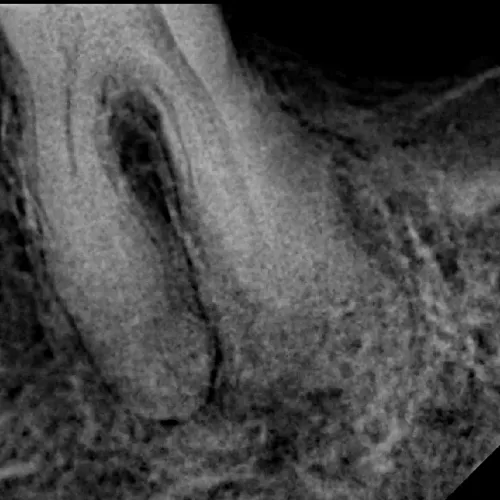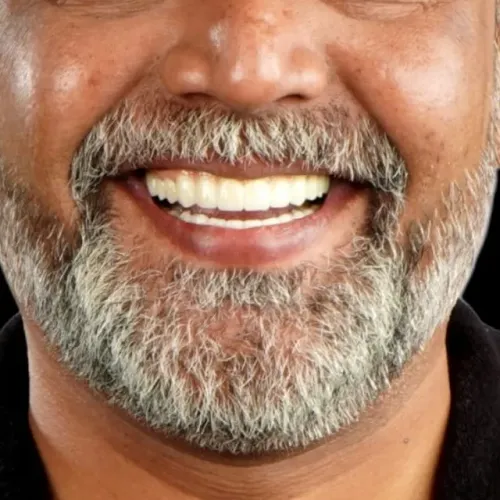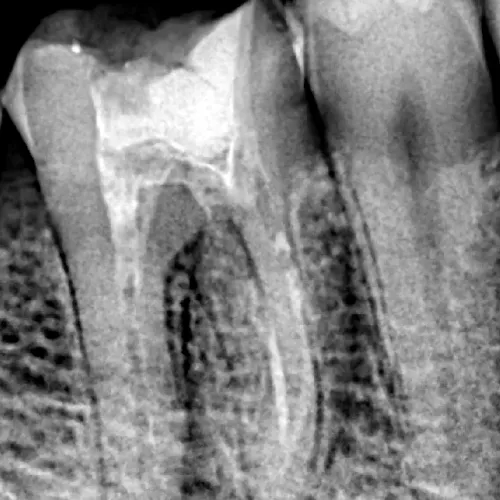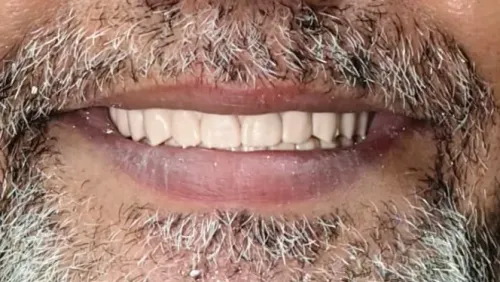
Are your dentures slipping while eating, speaking, or smiling? Do you avoid certain foods because you worry your dentures might move? An implant-supported overdenture may be an option worth discussing with your dentist.
Unlike conventional dentures that rest mainly on the gums, an implant-supported overdenture attaches to dental implants placed in the jawbone. This can provide improved stability, comfort, and confidence for people who have lost most or all of their teeth.
At Procare Dental LLP, Thane and Mulund West, Mumbai, we believe understanding your treatment options is the first step towards making an informed decision about your smile.
1. What Exactly Is an Implant-Supported Overdenture?
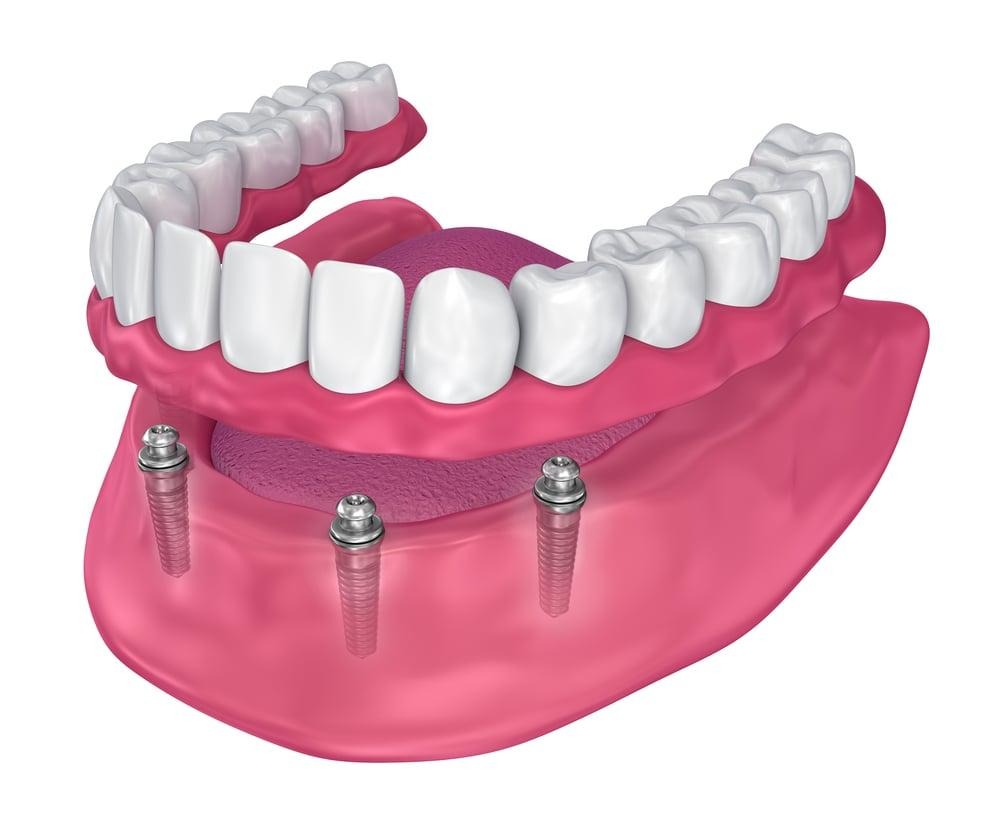
An implant-supported overdenture is a removable denture that connects to dental implants placed in the jawbone. The implants provide anchorage, helping the denture stay more securely in position than a conventional denture in many cases.
It generally has three main components:
- Dental implants: Small, usually titanium, fixtures placed in the jawbone that act as artificial tooth roots.
- Attachments: Special connectors fitted to the implants and denture to help retain it.
- The overdenture: A removable set of replacement teeth that restores appearance and chewing function.
The denture can usually be removed by the patient for daily cleaning and maintenance.
2. How Is an Implant-Supported Overdenture Different From a Regular Denture?
Feature
Conventional denture
Implant-supported overdenture
Support
Mainly gums and underlying tissues
Implants, with gum support varying by design
Stability
May move during eating or speaking
Usually improved retention and stability
Adhesive use
May be needed for some patients
Often reduced or unnecessary, depending on the design
Jawbone
Does not prevent natural post-extraction bone loss
Implants help preserve bone locally, but do not stop all bone loss
Removal
Removable
Usually removable by the patient
Maintenance
Denture and gum care
Denture, attachments, implants and gums all need care
Important: Not every implant overdenture is fully supported by implants. Some designs receive support from both implants and the gums, while others are designed to gain more support from the implants.
3. How Does an Implant-Supported Overdenture Work?
The treatment typically follows these steps.
Step 1: Dental examination and planning
Your dentist evaluates your gums, jawbone, existing dentures, bite and medical history. X-rays or a CBCT scan may be advised when they are needed to assess bone and plan implant placement.
Step 2: Implant placement
Usually two or more implants are placed, depending on the jaw, bone conditions and planned denture design. The number and position are determined individually.
Step 3: Healing and attachment connection
The implants need time to integrate with the bone. In suitable cases, attachments may be connected sooner; in others, they are fitted after a healing period.
Step 4: Denture fitting and follow-up
The denture is fitted and adjusted for comfort, bite and retention. Follow-up visits help ensure that the implants, attachments and denture are functioning properly.
The overall treatment time varies. It may take several months when implant healing is required, and additional time may be needed if bone grafting or other treatment is necessary.
4. What Are the Benefits of an Implant-Supported Overdenture?
For suitable patients, an implant-supported overdenture may offer several advantages.
Better stability
Implant attachments can reduce denture movement, particularly in the lower jaw, where conventional dentures can sometimes be difficult to stabilise.
Improved confidence while eating and speaking
Greater retention may make chewing and speaking feel more predictable. However, adaptation and dietary limitations can still vary from person to person.
A more comfortable denture experience
Reduced movement may help minimise rubbing and sore spots for some patients. Regular adjustments may still be needed.
Potential support for jawbone preservation
Implants transmit forces to the surrounding bone and may help preserve bone locally. They do not eliminate the natural changes that occur in the jaw after tooth loss.
A removable option without replacing every missing tooth individually
An overdenture can restore an entire arch using a relatively small number of implants, depending on the treatment design.
5. Who Is a Suitable Candidate?
An implant-supported overdenture may be considered if you:
- Have lost all or most of the teeth in the upper or lower jaw.
- Find your conventional denture loose or uncomfortable.
- Have difficulty chewing because your denture moves.
- Want better retention but prefer a removable denture over a fixed full-arch restoration.
- Have sufficient bone for the planned implants, or may be able to undergo suitable bone-grafting treatment.
- Can maintain good oral hygiene and attend regular follow-up visits.
Certain medical conditions, smoking, some medications, uncontrolled gum disease and inadequate bone may affect treatment planning or healing. These factors require individual assessment rather than automatically ruling treatment in or out.
6. How Many Implants Are Needed?
The number depends on which jaw is being treated, bone quality, implant distribution and the type of overdenture.
Jaw
Common approach
Lower jaw
Two implants are a common option for a removable overdenture in suitable patients
Upper jaw
Often requires four or more implants, depending on bone conditions and the design
These are general patterns, not fixed rules. Your dentist will recommend the number and positions based on clinical examination and appropriate imaging.
7. Implant-Supported Overdenture vs Fixed Full-Arch Teeth
Both options can replace a full arch of missing teeth, but they work differently.
Feature
Implant-supported overdenture
Fixed implant-supported teeth
Can the patient remove it?
Usually yes
No; removal is performed by a dental professional
Cleaning
Denture is removed for cleaning, alongside implant and gum care
Requires careful cleaning underneath and around the fixed teeth
Retention
Secured by implant attachments
Fixed to implants
Cost
May be lower in some treatment plans
Often higher, but depends on materials and complexity
Maintenance
Attachments may need replacement or adjustment
Components and prosthesis may need maintenance or repair
Which is better? Neither is automatically the best choice for everyone. An overdenture may suit someone who values removability and easier access for cleaning. A fixed restoration may suit someone who prefers teeth that are not removed daily, provided it is clinically appropriate and maintainable.
8. What Is the Cost of an Implant-Supported Overdenture in Thane or Mulund?
The cost varies considerably according to the number of implants, implant system, denture material, attachment mechanism, bone-grafting requirements and laboratory work.
Before comparing quotations, ask whether the treatment plan includes:
- Consultation and diagnostic imaging, where indicated.
- Implant placement and components.
- The overdenture and its attachments.
- Temporary denture arrangements, if required.
- Follow-up visits and adjustments.
- The cost of future attachment inserts or maintenance.
A lower initial quote may not include every component. Compare the complete treatment plan, not just the price of an individual implant.
For patients considering treatment in Thane or Mulund West, Mumbai, a clinical consultation at Procare Dental LLP can help determine which options are appropriate for their needs.
9. How Do You Care for an Implant-Supported Overdenture?
Long-term success depends on regular cleaning and professional maintenance.
- Remove the overdenture as instructed and clean it daily using a suitable denture brush and cleaning product.
- Clean around implants and attachments carefully with the recommended brush or cleaning aids.
- Clean your gums, tongue and any remaining natural teeth.
- Avoid using abrasive household cleaners on the denture.
- Attend regular dental reviews so your dentist can assess the implants, gums, attachments and fit.
- Seek an adjustment if the denture starts rocking, clicking, causing soreness or becoming difficult to attach.
Attachments can wear over time and may need servicing or replacement. This is a normal maintenance consideration, not necessarily a sign that the implants have failed.
10. Frequently Asked Questions
Is an implant-supported overdenture painful?
Implant placement is performed with appropriate anaesthesia. Some discomfort, swelling or bruising can occur afterwards, and the amount varies. Your dentist will provide suitable post-operative instructions and pain-management advice.
Can I sleep with my overdenture?
Many removable overdentures are taken out overnight to allow cleaning and rest of the tissues. Follow your dentist's specific instructions, particularly during the healing period.
Can I eat normally with an implant-supported overdenture?
Chewing often improves compared with a loose conventional denture, but the experience differs between patients. You may need to begin with softer foods and gradually return to a broader diet as advised.
Does an implant-supported overdenture last forever?
No dental prosthesis or attachment system lasts indefinitely without maintenance. The denture, attachment components and sometimes other parts may require repair, adjustment or replacement. Implant longevity depends on several factors, including health, hygiene, loading and regular reviews.
Is bone grafting always necessary?
No. Many patients have enough bone for the planned implants. Others may need grafting or an alternative implant plan. The decision is made after examination and appropriate imaging.
Can I convert my existing denture into an implant-supported overdenture?
Sometimes. An existing denture may be modified to connect to implants if its condition, fit, design and the planned attachment system allow it. In other cases, a new denture may be recommended.
The Bottom Line
An implant-supported overdenture can be a useful option for people who want more stability than a conventional denture while retaining the convenience of a removable prosthesis. The right solution depends on your jawbone, oral health, expectations, budget and ability to maintain the restoration.
A detailed assessment helps you understand whether an overdenture, a fixed implant-supported restoration or another option best fits your needs.
Procare Dental LLP – Thane & Mulund West, Mumbai
🌐 www.procaredental.in
📞 7071876876
Keywords