Have you ever been told that a tooth becomes weak after a root canal and will eventually break?
It is one of the most common concerns patients have before undergoing root canal treatment. Many people worry that saving a tooth with a root canal may only be a temporary solution.
But the truth is a little different.
A root canal does not automatically make your tooth weak. The amount of natural tooth structure remaining after decay, damage and treatment plays a major role in how strong the tooth will be.
Let's understand why some teeth break after a root canal, when a crown may be necessary and how you can protect your treated tooth for years to come.
1. What Happens to Your Tooth During a Root Canal?
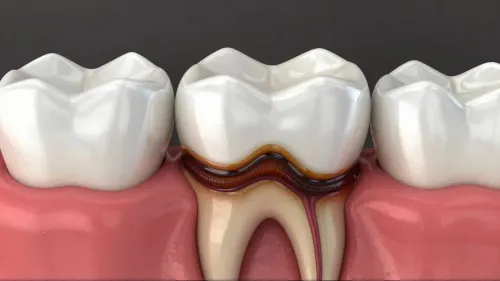
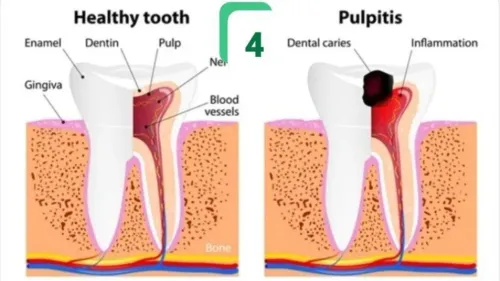
Inside every natural tooth is a soft tissue called the dental pulp, which contains nerves and blood vessels.
When the pulp becomes irreversibly inflamed or infected, root canal treatment may be needed to save the tooth.
During the procedure, the dentist:
- Removes the inflamed or infected pulp.
- Cleans and shapes the root canals.
- Disinfects the canal system.
- Fills and seals the canals.
- Restores the tooth to help protect it and restore its function.
The aim is to retain your natural tooth rather than remove it.
The root canal procedure itself is not the main reason a tooth becomes vulnerable to fracture. More often, the tooth has already lost substantial structure due to decay, a large filling, a crack or previous damage.
2. Why Can a Tooth Break After a Root Canal?
There are several reasons a root canal-treated tooth may be more susceptible to fracture.
Extensive tooth decay
If decay has destroyed a large portion of the tooth, less natural structure remains to withstand chewing forces.
Large existing fillings
A tooth with a large filling may have weakened walls or lost important structural support even before root canal treatment begins.
Loss of supporting tooth structure
During treatment, the dentist must gain access to the root canals. In some cases, additional tooth structure also needs to be removed to manage decay or existing damage.
The amount and location of the remaining natural tooth structure are important when deciding how to restore the tooth.
Chewing forces
Back teeth experience substantial forces during chewing. If a tooth has weakened cusps or thin remaining walls, it may be more vulnerable to fracture.
3. Does a Root Canal Kill the Tooth?
A root canal removes the pulp tissue from inside the tooth, so the tooth no longer has its original internal nerve and blood supply.
However, the tooth can remain functional in your mouth for many years because it is still supported by the surrounding periodontal ligament and jawbone.
You can continue to chew with it once it has been properly restored.
The important difference is that a root canal-treated tooth may have less remaining natural structure than a healthy tooth, particularly if it was severely damaged before treatment.
It is therefore important to restore it appropriately and maintain it regularly.
4. Does Every Root Canal-Treated Tooth Need a Crown?
No. The decision depends on the tooth's condition and how much healthy structure remains.
A crown is often recommended for back teeth, especially molars and premolars, when substantial tooth structure has been lost. It can help protect the remaining walls and cusps from fracture.
However, some teeth may be suitable for a more conservative restoration.
Tooth condition
Possible restoration
Small access opening with substantial healthy structure remaining
Bonded filling may be sufficient in selected cases
Moderate structural damage
Filling or a more protective restoration, depending on the remaining structure
Extensive damage or weakened cusps
Crown or another suitable cuspal-coverage restoration
Significant crack
Assessment of crack depth and restorability before deciding treatment
The dentist considers the tooth's location, remaining walls, existing restorations, bite forces and any cracks before recommending a restoration.
A crown is not automatically necessary for every tooth, but delaying a recommended protective restoration can increase the risk of fracture in a structurally compromised tooth.
5. Why Is the Final Restoration So Important?
Think of root canal treatment as treating the problem inside the tooth. The restoration protects the remaining tooth and helps it function again.
After the root canal, your dentist may use a bonded filling, an onlay, a crown or another suitable restoration.
The choice depends on the individual tooth.
A well-planned restoration aims to:
- Seal the access opening against bacterial leakage.
- Restore chewing function.
- Protect weakened cusps when indicated.
- Reduce the risk of fracture.
- Help the tooth remain functional for as long as possible.
6. How Long Can a Root Canal-Treated Tooth Last?
There is no fixed lifespan for every root canal-treated tooth.
Many treated teeth remain functional for years, and some last for decades. Their longevity depends on several factors:
- How much natural tooth structure remains
- Whether a crack is present
- The quality of the root canal treatment
- The seal and durability of the final restoration
- The patient's bite and habits, such as grinding
- Oral hygiene and regular dental reviews
A root canal does not guarantee that the tooth will last forever, but appropriate treatment and restoration can improve its chances of long-term survival.
7. How Can You Protect Your Tooth After a Root Canal?
Follow these practical steps to help protect your treated tooth.
- Complete the final restoration promptly according to your dentist's advice.
- Avoid chewing hard foods on the treated tooth while a temporary restoration is in place.
- Brush twice daily with fluoride toothpaste.
- Clean between your teeth daily.
- Attend follow-up appointments as advised.
- Tell your dentist if you experience pain on biting, a change in your bite or a loose or damaged restoration.
- If you grind or clench your teeth, ask whether a protective night guard is appropriate.
If you develop swelling, persistent pain or a broken tooth, arrange a dental assessment promptly.
The Bottom Line
A root canal does not automatically make a tooth weak. The condition of the tooth before treatment and the quality of its final restoration are major factors in determining its long-term strength.
The goal is not simply to remove infection. It is to save the natural tooth where possible and restore it in a way that allows it to function comfortably and withstand chewing forces.
If your dentist recommends a crown after a root canal, ask whether it is needed to protect weakened cusps, restore lost tooth structure or address another specific concern.
Procare Dental LLP – Thane & Mulund West, Mumbai
At Procare Dental LLP, the remaining tooth structure, bite and condition of the tooth are assessed to help determine the appropriate restoration following root canal treatment.
🌐 www.procaredental.in 📞 7071876876
Keywords