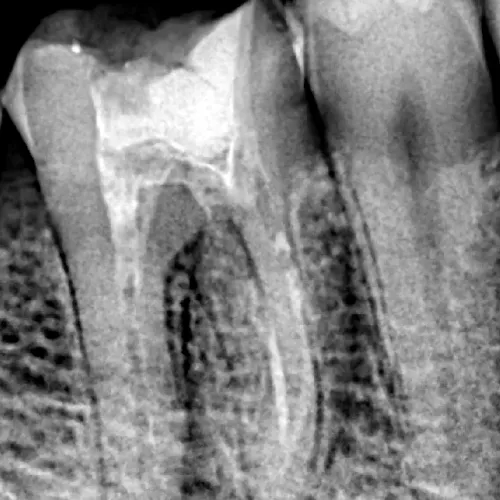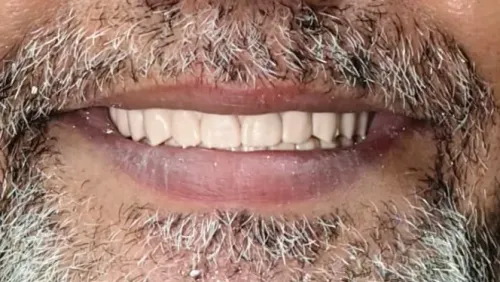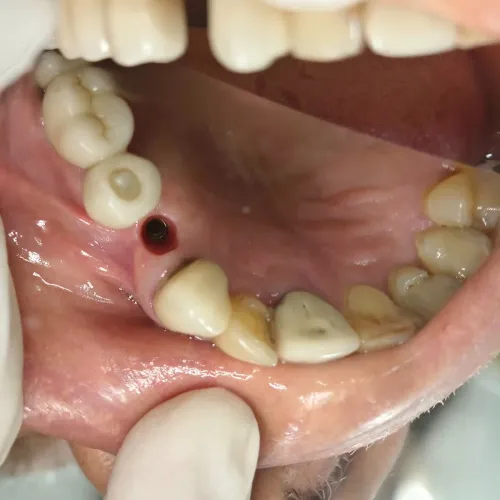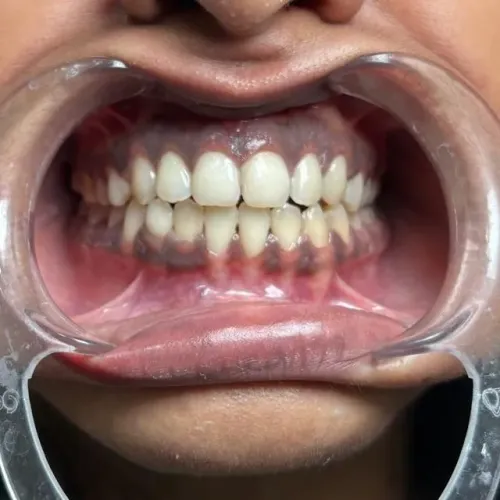
When you think about a dental implant, you probably think about the titanium implant placed in the jawbone. But there is another component that plays an equally important role in the final outcome: the crown that replaces your missing tooth.
A dental implant may integrate successfully with the bone, but the treatment is not complete until the replacement tooth functions comfortably, looks natural and can be maintained properly.
The final crown is not just a cap placed on top of an implant. It is the part you see, the part you chew with and the part that must work in harmony with your remaining teeth.
1. The Crown Determines How Natural Your Smile Looks
For a front tooth implant, aesthetics are especially important.
The final crown needs to blend with the neighbouring teeth in terms of:
- Colour and translucency
- Shape and size
- Tooth proportions
- Surface texture
- Position and alignment
- The way it emerges from the gum
Even a well-integrated implant can look unnatural if the crown is too bulky, too short, incorrectly shaped or noticeably different in colour.
The surrounding gum tissue also influences the result. This is why the dentist must consider the crown, implant position, bone and soft tissue together during planning.
2. The Crown Determines How You Bite and Chew
Your implant crown must function in harmony with your natural teeth.
If the bite is not planned and adjusted appropriately, the crown may experience excessive or unfavourable forces.
Your dentist considers:
- The contacts between upper and lower teeth
- The direction of chewing forces
- The position of the opposing teeth
- The shape of the chewing surface
- Your overall bite and any habits such as clenching or grinding
The goal is to create a crown that supports comfortable chewing while managing forces appropriately.
A crown that looks beautiful but does not function well is not a successful final restoration.
3. The Shape of the Crown Affects Cleaning
One of the most important—and often overlooked—aspects of implant dentistry is maintenance.
The crown's shape where it meets the gum, known as its emergence profile, affects how easily you can clean around it.
If the crown is excessively bulky or difficult to access, plaque removal may become challenging.
This can contribute to inflammation of the tissues around the implant. Persistent inflammation can sometimes progress to loss of supporting bone.
A well-designed crown should allow suitable access for daily cleaning with the recommended toothbrush, floss or interdental aids.
4. The Crown Influences Implant Position During Planning
Here is a crucial concept in modern implant dentistry:
The implant should be planned around the final tooth—not simply placed wherever bone is available.
This is known as prosthetically driven implant placement.
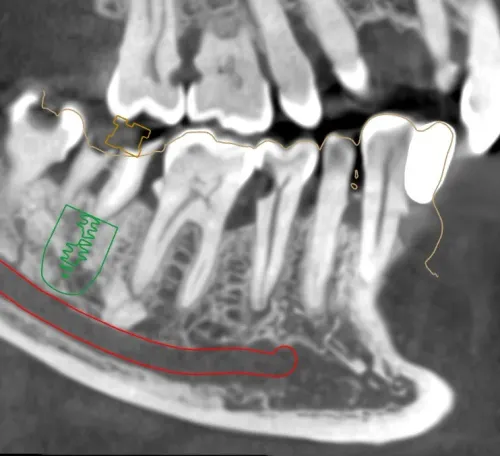
Before surgery, the dentist considers where the final crown should sit. That helps determine the desired implant position in three dimensions.
The planning may account for:
- Crown position and angulation
- Available bone
- Gum contours
- The position of neighbouring roots
- The location of the screw-access channel
- Space for the final restoration and cleaning
CBCT imaging, intraoral scans and digital planning software can help combine this information when clinically appropriate.
If the implant position is not suitable for the intended crown, compromises in appearance, function, cleaning or restoration design may result.
5. The Crown Material and Design Matter Too
Different materials and designs may be appropriate for different clinical situations.
Crown option
What matters
Zirconia
Strength, aesthetics and the specific design and indication
Porcelain-fused-to-metal
Established option with metal substructure and porcelain covering
Other ceramic materials
Suitability depends on the material, location and bite forces
Screw-retained crown
Can often be retrieved more easily for maintenance, subject to the design
Cement-retained crown
May be useful in selected situations, but excess cement must be carefully controlled
There is no single crown material or retention method that is ideal for every implant patient. The choice depends on the implant position, available space, aesthetic requirements, bite, restorative system and the dentist's clinical assessment.
6. The Final Crown Can Affect Long-Term Maintenance
A dental implant does not develop tooth decay like a natural tooth, but the tissues around it can become inflamed.
The final crown's fit, contour, access for cleaning and bite relationships all contribute to maintaining the restoration and surrounding tissues.
Depending on the case, the dentist may also consider whether the crown can be retrieved for future repairs or maintenance.
Regular check-ups remain important to assess the gums, supporting bone, bite and condition of the restoration.
Why Digital Planning Matters
A digital workflow can help the dentist visualise the intended final tooth before implant placement.
1. Assess the bone
CBCT imaging, when indicated, helps evaluate bone dimensions and important anatomical structures.
2. Record the teeth and bite
Intraoral scans and bite records can help establish the relationship between the planned restoration and the existing teeth.
3. Design the final crown
The proposed crown helps guide implant positioning and restorative planning.
4. Check the final restoration
The completed crown is evaluated for fit, appearance, bite and cleanability before and after delivery.
Digital planning does not replace clinical judgement, but it can help the team coordinate the surgical and restorative stages.
Questions to Ask Your Dentist Before Getting the Final Crown
Before your implant treatment is completed, consider asking:
- What material is recommended for my crown, and why?
- How will the crown match my natural teeth?
- How will my bite be checked?
- Will I be able to clean around the crown easily?
- Is the crown screw-retained or cement-retained?
- What maintenance and follow-up will I need?
These questions help you understand the entire treatment—not just the implant placement.
The Bottom Line
A successful dental implant is about more than the implant itself. The final crown brings the treatment to life.
It influences your smile, chewing comfort, bite, ability to clean around the implant and long-term maintenance.
That is why the crown should be considered from the beginning of treatment, rather than treated as an afterthought once the implant has healed.
At Procare Dental LLP – Thane & Mulund West, Mumbai, implant planning can incorporate CBCT assessment, digital workflows and prosthetically driven restoration planning when appropriate, with the aim of achieving a functional, natural-looking and maintainable result.
🌐 www.procaredental.in 📞 7071876876
Keywords